

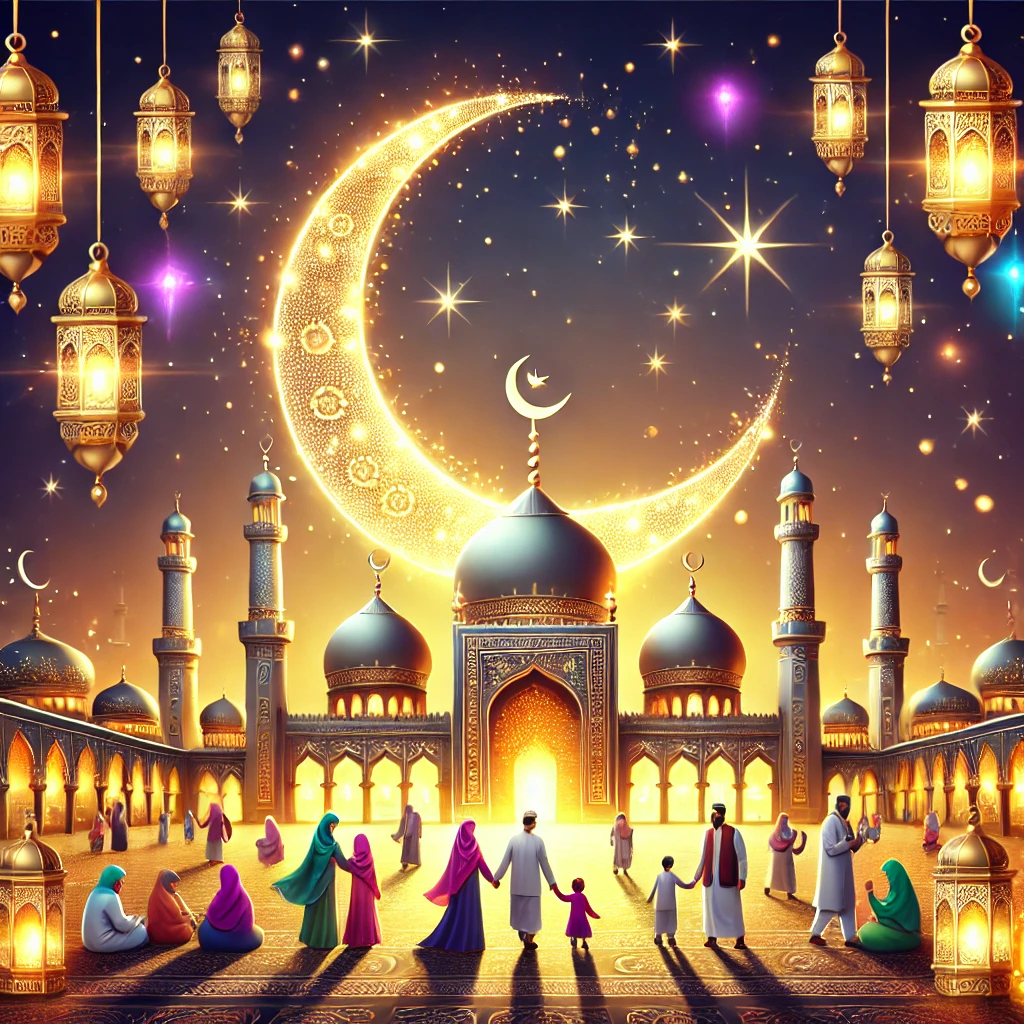
Eid-ul-Fitr: A Timeless Celebration of Faith, Sacrifice, and Joy
Eid-ul-Fitr, often referred to as the ‘Festival of Breaking the Fast,’ is one of the most cherished celebrations in the Islamic calendar. This joyous occasion marks the end of Ramadan, a holy month of fasting, prayer, and reflection observed by millions of Muslims worldwide.
As the crescent moon graces the sky, families come together to celebrate with heartfelt gratitude, sumptuous feasts, and vibrant traditions. The spirit of Eid is deeply rooted in faith, sacrifice, and community, making it a timeless celebration that transcends generations.
The Significance of Eid-ul-Fitr Eid-ul-Fitr symbolizes the completion of a month-long spiritual journey. It is a time to express gratitude to Allah for strength and patience during Ramadan. The day begins with a special prayer known as Salat al-Eid, performed in congregation, followed by a sermon that emphasizes compassion, charity, and unity.
Traditions That Bring Joy and Togetherness From early morning prayers to sharing delightful meals, every moment of Eid is filled with joy. Families prepare traditional dishes like biryani, kebabs, and an array of sweets such as seviyan and sheer khurma. Exchanging gifts, donning new clothes, and giving Zakat al-Fitr (charitable donations) are integral parts of the celebration.
You may Like : Shayri Quotes – Hindi & English and you may use other lanugage also
Eid Across the Globe: A Mosaic of Cultures Eid-ul-Fitr is celebrated with unique customs around the world. From grand bazaars in the Middle East to colorful festivities in South Asia and heartfelt gatherings in Western countries, the essence of Eid remains universal: spreading love, kindness, and joy.
Embracing the Spirit of Eid Today In an ever-changing world, Eid-ul-Fitr continues to be a beacon of hope and harmony. It reminds us of the importance of empathy, generosity, and togetherness. As we embrace the spirit of Eid, let us celebrate the values that unite us all.
Celebrate this Eid with open hearts and warm smiles. Eid Mubarak to everyone!
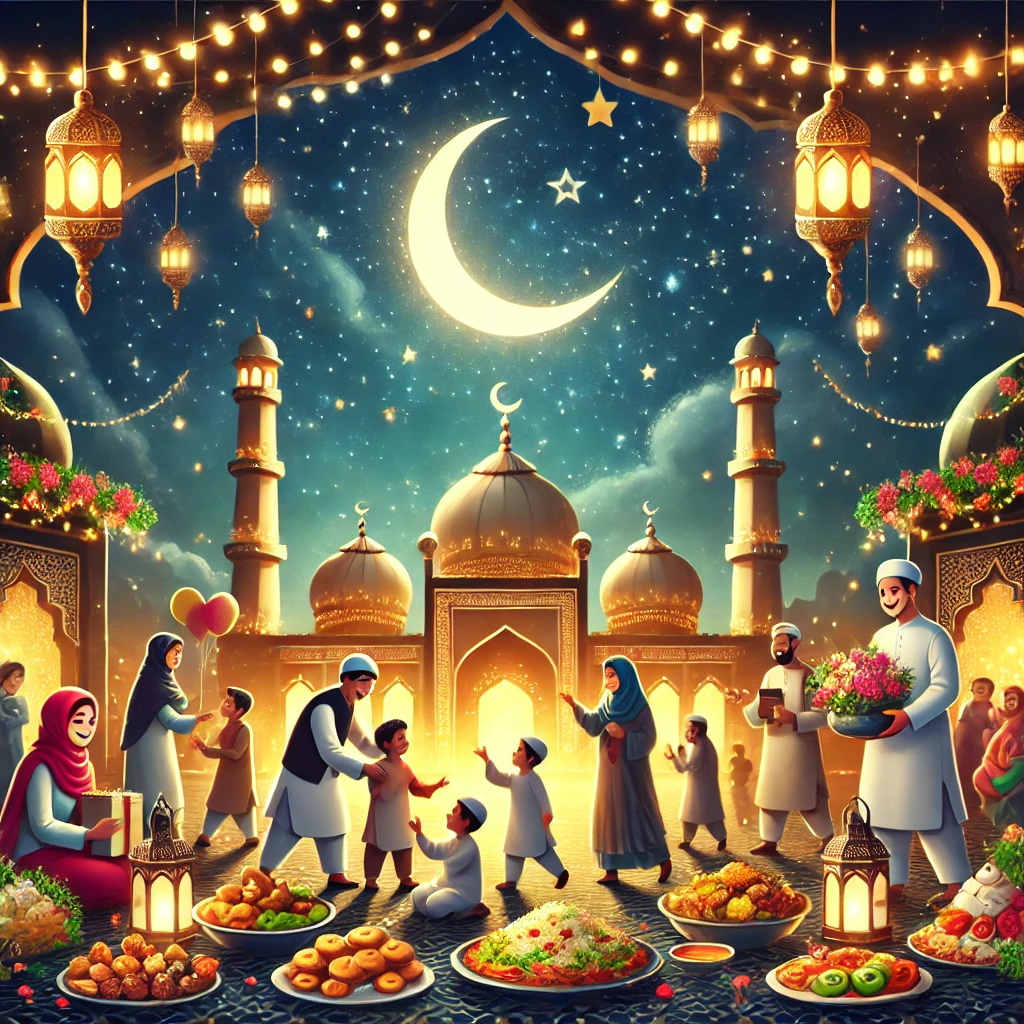
A Glimpse into the History of Eid-ul-Fitr Eid-ul-Fitr dates back to the time of Prophet Muhammad (PBUH) in the 7th century. According to Islamic tradition, the festival was established after the first Ramadan was observed by the Prophet and his followers in Medina. It is believed that Eid-ul-Fitr was ordained by Allah and conveyed to the Prophet through the Angel Jibreel (Gabriel). The festival not only marks the end of fasting but also celebrates the spiritual growth and self-discipline achieved during Ramadan. This historical significance adds depth and reverence to the modern celebrations of Eid-ul-Fitr.
You may Like : The Complete about the Libra Zodiac Sign
Eid al-Fitr: Know When Eid Started and What ‘Fitr’ Means
Eid al-Fitr will be celebrated on April 10 or 11 this year, depending on the sighting of the moon. It is observed on the first day of Shawwal, the 10th month of the Islamic Hijri calendar. Preparations for Eid have already started within the Muslim community. In this article, you will learn key facts about Eid al-Fitr, including when, why, and how it is celebrated.
The Origin of Eid al-Fitr
The month of Ramadan is the 9th month of the Islamic Hijri calendar, followed by the month of Shawwal. The first day of Shawwal is celebrated as Eid al-Fitr, one of the most significant festivals for Muslims. The Hijri calendar follows the lunar cycle, beginning with the sighting of the moon and ending with its setting. Eid is celebrated after the crescent moon of Shawwal is sighted.
On Eid, homes are filled with the aroma of sweet dishes, especially ‘seviyan’ (sweet vermicelli). Wearing new clothes, applying perfume, and greeting each other with hugs and well-wishes are integral parts of the celebration. However, Eid is more than just these customs—its essence lies in sharing happiness with everyone.
Two Eids for Muslims
Allah has gifted Muslims two major celebrations: Eid al-Fitr and Eid al-Adha. Eid al-Fitr is celebrated on the first day of Shawwal after Ramadan, while Eid al-Adha is observed on the 10th of Dhul-Hijjah, the last month of the Hijri calendar. On Eid al-Fitr, all Muslims partake in the festivities without any distinction between rich and poor. Everyone wears new clothes and enjoys delicious meals, made possible through the concept of charity in this festival.
When and Why is Eid al-Fitr Celebrated?
Eid al-Fitr is celebrated after the month of Ramadan. The first Eid al-Fitr was celebrated in the year 624 CE (2 Hijri). Two significant reasons for celebrating Eid al-Fitr are:
- Victory in the Battle of Badr, which took place on the 17th of Ramadan in 2 Hijri. Despite being outnumbered, with only 313 unarmed Muslims against over 1,000 well-equipped enemies, the Muslims, led by Prophet Muhammad (PBUH), achieved victory. Sweets were distributed, and congratulations were shared, marking the beginning of the Eid celebration.
- The successful completion of Ramadan’s fasts, nightly Taraweeh prayers, and devotion to Allah. According to the Quran, Eid is considered a gift from Allah, a day of reward for a month-long devotion.
Charity on Eid al-Fitr
Eid emphasizes the importance of sharing joy with everyone, erasing the divide between rich and poor. All Muslims, regardless of their financial status, come together for Eid prayers. ‘Fitr’ means charitable gift, and giving ‘Fitra’ before the Eid prayer is mandatory for financially stable Muslims. This donation helps the less fortunate celebrate Eid with dignity.
Zakat: A Mandatory Charity
In Islam, giving Fitra is obligatory, while Zakat is a mandatory annual charity for Muslims possessing wealth above a certain threshold. This includes 2.5% of their yearly savings in gold, silver, cash, or business assets, given to the needy, including relatives, neighbors, and the underprivileged.
How Eid is Celebrated
Eid day begins with the pre-dawn Fajr prayer, followed by preparations for the Eid prayer. Men dress in new clothes, apply perfume, and eat dates or sweets before leaving for the Eid prayer at Eidgah or mosques. After the prayer, Muslims greet each other with hugs and share festive meals at home, symbolizing love and brotherhood.
Pingback: Holi, the festival of colors, is one of the most vibrant